Counting Coins for Love: When Poverty Is Treated as Neglect
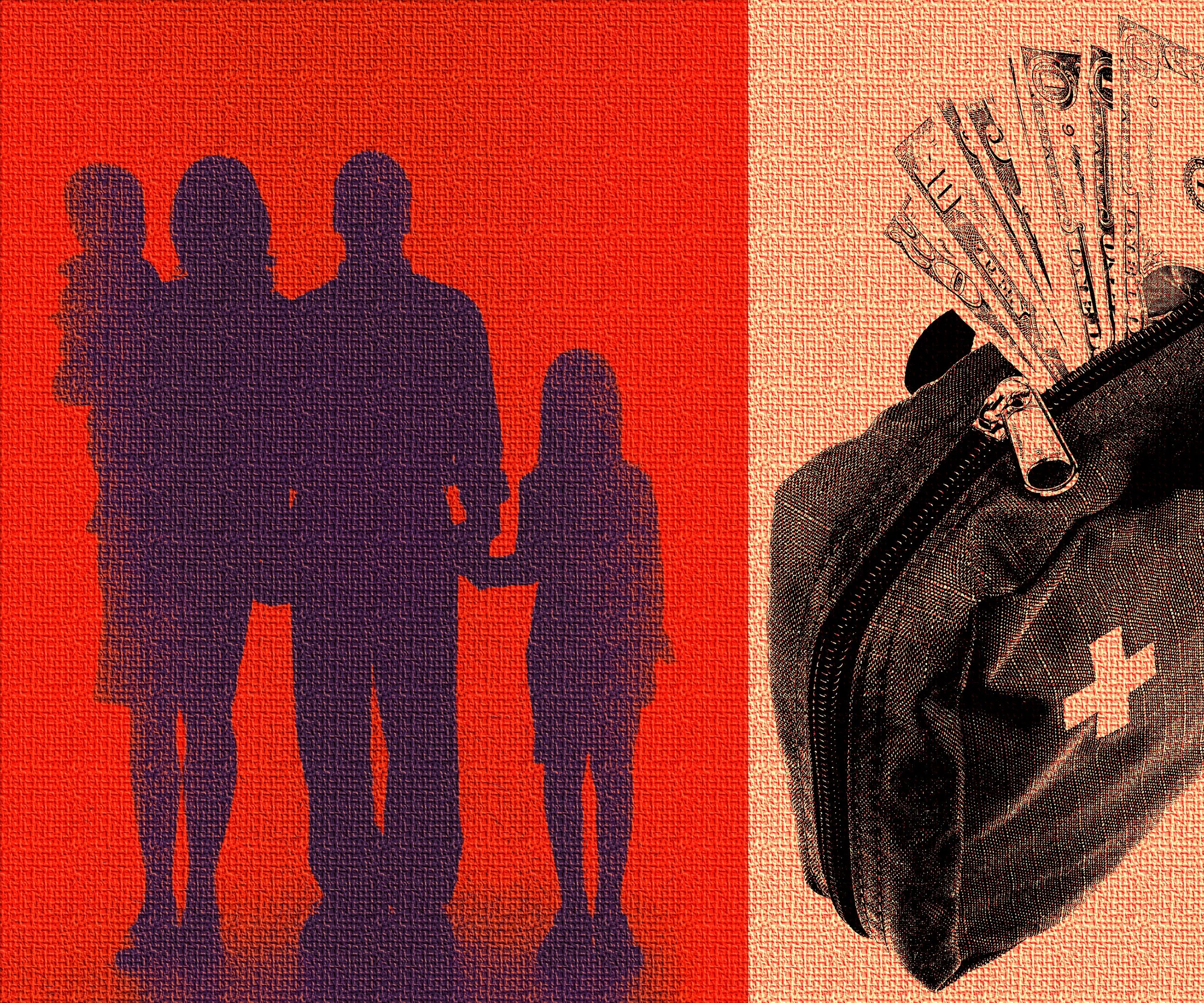
The first line of a case file stops me cold: “Parent did not appear for visitation; fee unpaid.” I have read enough of these records to know what those words hide. Somewhere, not in a courtroom but on a bus bench or in a laundromat, a mother was counting quarters and minutes. The docket notes a missed visit; it does not record the choice between buying diapers and paying forty dollars to see her child. The report labels the lapse “noncompliance”; it does not mention the sixty mile drive to the supervised visitation centre or the babysitter she could not afford. If all you saw were the file, you might think she did not care. If you looked at her life, you would see a system that turned her poverty into evidence against her.
I have spent months submerged in court orders, government audits, state statutes and lawsuits about child protective services. The story that emerges is damning. We are not only separating children from their parents; we are billing parents for the privilege of fighting to get them back. Each piece of paper has a price. Filing a petition to contest a removal can cost a hundred to five hundred dollars. Obtaining a transcript costs two or three dollars per page. Courts order psychological evaluations at five hundred to two thousand dollars a pop and mandate domestic violence or trauma counselling that runs into the hundreds. Parenting classes and anger‑management courses range from fifty to two hundred dollars. Drug tests are ten to thirty dollars each, and some parents must pee in a cup three times a week. These numbers come not from rumor but from fee schedules in statutes and audits across states. They are the toll booths on the road back to your child. There is no sliding scale for a mother living on minimum wage, no automatic waiver for a father on disability. Agencies call this cost recovery. To families it feels like ransom.
The largest bill often comes from visitation itself. When a child is placed in foster care, a parent’s ability to see them is usually restricted to supervised sessions in a professional facility. These sessions are not cheap. Market rates hover around forty to seventy five dollars per hour, with two hour minimums. In some jurisdictions the parent who is alleged to be violent must pay for the monitor by law. If a parent cannot afford the fee, the visit is shortened or cancelled. The case file will say, “Visit terminated for nonpayment.” It will not say that a school bus was late, that the parent’s paycheck bounced, or that the gas tank was empty. I read reports from rural counties where parents drove hundreds of miles to see their children because there was only one approved visitation centre. They paid for gas, tolls and parking. They lost wages. They paid fifty to one hundred dollars for someone to watch their other children while they were at mandated classes or visits. They did not get reimbursed. One mother wrote to the court, “I paid thirty dollars for gas and eighty dollars for the visit. I had to borrow money for diapers. Please do not punish me for being poor.” The judge noted her statement and scheduled another hearing.
Many parents are also ordered to reimburse the state for the very cost of foster care. Under federal law, states may seek child support from parents whose children have been removed. Historically most foster care cases resulted in such orders. In some states, statutes make the orders mandatory. The amounts can range from four hundred to seven hundred dollars per month, assessed regardless of the parent’s income. Courts may also order parents to repay court‑appointed attorneys or expert fees if they are deemed able to pay. Failure to pay triggers a cascade of punishments: wage garnishment, tax refund interception, liens on property and suspended drivers’ licenses. One state audit found that it cost agencies about two dollars and forty four cents to collect every dollar of foster care support. The practice, in other words, does not even break even. What it does do is create debt that becomes another reason to keep children out of the home.
If the law requires an inquiry into a parent’s ability to pay, that inquiry often happens in name only. Statutes in many states instruct courts to hold indigency hearings and to waive fees if payment would create hardship. Yet court records show judges presuming that parents can pay and imposing costs without meaningful review. Some jurisdictions even charge an application fee to prove indigency. When parents fall behind, their failure is interpreted as willful. Caseworkers document missed appointments and unpaid bills as “failure to cooperate.” Those notes become evidence at hearings. In a 2023 case in North Carolina, the state terminated the parental rights of Courtney and Jeremy Johnson after they failed to reimburse unspecified foster care costs. The state never told them they owed money, nor did it itemize the amount, but the Supreme Court of North Carolina upheld the termination on the grounds that nonpayment constituted “willful” failure. The Johnsons had completed classes, therapy and visitation. They lost their sons to a bill they did not know existed.
Another set of records tells the story of Annalinda Martinez, a Georgia mother of six. When she became homeless, the Department of Family and Children Services removed her daughters. As she searched for housing, the state sent her monthly bills: nearly five hundred dollars per month for the girls’ foster care. Over time her debt ballooned to more than thirteen thousand dollars. Officials garnished her wages and suspended her license. She could not keep a job or secure an apartment while owing the state thousands. After a year she surrendered her parental rights, hoping her daughters could find stability. Even after she relinquished them, the bills kept coming. Her experience is now part of a federal civil rights lawsuit challenging Georgia’s billing practices. The complaint argues that the state violates due process by turning poverty into a basis for termination. Her case is not an anomaly; it is a window into how debt and family separation intertwine.
Not all states cling to these practices. In 2023, Colorado’s Department of Human Services stopped automatically charging parents for out‑of‑home placements. The legislature codified the change, closed about two thousand three hundred cases and forgave nearly eight point seven million dollars in unpaid support. Officials admitted that recouping these costs delayed reunification and harmed families. Washington ended foster care cost recovery in 2022. California forgave roughly four hundred million dollars in arrears. In July 2022, the federal Administration for Children and Families advised states to use child support orders in foster cases only in exceptional circumstances, citing research that cost recovery delays reunification and may increase the time children spend in care. Some states have responded. Others have not. In those jurisdictions, the bills keep going out; the wages keep being garnished; the debts keep growing.
If the official fees were the only burden, they would be heavy enough. They are not. Case plans typically require parents to attend multiple appointments each week: drug screens, therapy sessions, parenting classes, domestic‑violence programmes, home inspections and court hearings. Employers rarely accommodate these schedules. Many parents work hourly jobs without paid leave. Missing shifts means missing rent. Some lose their jobs entirely. Those with other children must pay for childcare to attend services. In rural areas, parents may drive three hours to the nearest provider. In cities, they navigate long bus routes that do not align with office hours. Private providers often charge cancellation fees if a session is missed. The hidden costs, such as lost wages, gas, parking, bus passes and childcare, stack up. They never appear in the official record, yet they are real. When a parent does not show up for a class, the file reads “noncompliant.” It does not read “worked a double shift and could not afford a taxi.”
The people who bear these burdens are not a monolith. Data show that Black and Indigenous families are disproportionately represented in child welfare cases and carry heavier debts. In rural counties, travel costs magnify the burden. Immigrant parents may have to pay for interpreters. Parents with disabilities need specialized transportation and support. Ten dollars for a drug screen may not sound like much, but for a mother living on food stamps it is a meal. These costs accumulate into a portrait of failure. Poverty becomes pathology. In one law review article, researchers calculated that every one hundred dollar increase in monthly child support orders delays reunification by more than six months. When unpaid support accrues interest at rates up to twelve percent, the debt can quickly become unmanageable. By the time a parent’s case comes back before a judge, the ledger looks damning. The narrative writes itself: missed visits, unpaid bills, delinquent support. Never mind the context.
There is an emotional ledger, too. Parents describe feeling like the system is designed to make them fail. They talk about the humiliation of asking relatives for money to see their own children, about the shame of standing at a pharmacy counter knowing a test result could change their fate, about sitting in a visitation room under the watchful eyes of a stranger who writes notes on every hug. Many suffer from anxiety or depression long before CPS arrives. The case plan often mandates mental‑health treatment, yet the stress of compliance can worsen the very conditions the plan is meant to address. Advocates have called this system “stategraft,” extracting money from the poorest families while claiming to serve their children. I have heard parents say they feel like they are “buying” time with their child. Each receipt, ten dollars for a drug screen, seventy dollars for a visit, two hundred dollars for a class, is evidence of love and desperation. Each coin counted is weighed against the risk of being labelled a neglectful parent.
Behind these individual stories is a machinery built on policies and budgets, not on cartoon villains. For decades, federal reimbursement formulas rewarded states for collecting child support from parents whose children were in foster care. Agencies built systems to extract money even when the amounts were small and the costs of collection were high. Caseloads remain high; caseworkers juggle dozens of families and cannot waive fees even when they know payment will derail reunification. Judges operate within statutory frameworks that mandate cost recovery. Private providers set prices because there is no regulation. In this ecology, poverty is not an extenuating circumstance; it is evidence. A missed payment is a data point. A late arrival becomes willful neglect. The humanity of the parent dissolves into a line item.
What would it look like to build a system that did not equate money with love? The documents suggest a few starting points. Colorado, California and Washington have shown that states can end foster care cost recovery and forgive debts. The federal government can strengthen its guidance, making cost recovery the rare exception. Legislatures can cap caseloads and fund public defenders so that parents have counsel before petitions are filed. Agencies can publish fee schedules and standardize ability‑to‑pay hearings rather than shifting the burden onto parents. Services like drug testing and supervised visitation should be provided at no cost to indigent families, or at least with sliding scales that reflect reality. Transportation and childcare stipends could be built into case plans. Courts could require written findings before noncompliance is used to justify termination, recognizing the difference between willful refusal and inability. Oversight agencies could collect and publish data on fees, payments and outcomes, allowing the public to see whether cost recovery serves any child’s interests. These steps will not repair every harm, but they would signal that poverty is not neglect.
As I write this, I cannot escape the image of that mother at the bus stop, not a woman I met but a presence conjured by pages and receipts. I did not stand with her; I did not hold her hand. I know her only through court records and audits, through the numbers that chart her struggle and the words that minimize it. Yet I recognize her story in every file I read. Each line in the docket is the residue of a day in someone’s life, a missed shift, an overdue bill, a child’s birthday spent in a visitation room. Each phrase like “failure to comply” masks a set of impossible choices. The case file shows a missed appointment; it does not show the frantic calculations and the tears. When our system punishes parents for poverty, we are not protecting children. We are ensuring that the poorest families remain priced out of parenthood.